Documentation review before booking
We review the UN38.3 test report, MSDS, and product classification with your supplier before booking to confirm the cargo is ready to move, rather than discovering a gap after the container is stuffed.
MARISIX
Tianjin Port Logistics
EV & LITHIUM BATTERY EXPORT
MARISIX is a registered NVOCC based at Tianjin Port, with an on-site team experienced in the documentation, packaging and carrier acceptance requirements specific to EV and lithium battery cargo.
Lithium batteries and EV battery packs are classified as Class 9 dangerous goods, which makes them one of the more heavily regulated cargo types moving through Tianjin Port. Carriers, terminals and destination customs authorities all apply stricter checks to this cargo than to general goods, and a documentation gap that would be a minor issue for other cargo can get a battery shipment rejected outright. Tianjin Port handles significant volumes of battery and EV component exports from North China's battery manufacturing and EV supply chain clusters, moving to buyers across Europe, Southeast Asia, and the Middle East.
We review the UN38.3 test report, MSDS, and product classification with your supplier before booking to confirm the cargo is ready to move, rather than discovering a gap after the container is stuffed.
We confirm which carriers and services currently accept lithium battery / Class 9 cargo on your specific route, since this changes more often than for general cargo.
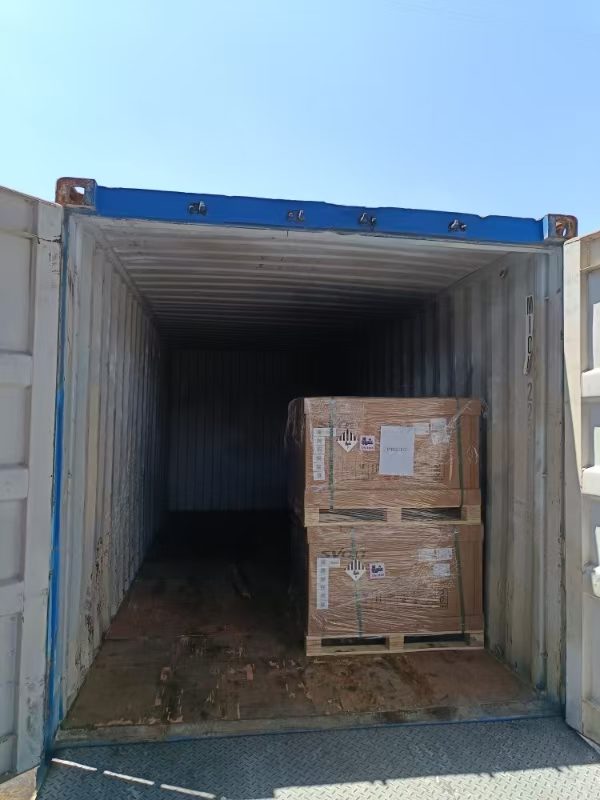
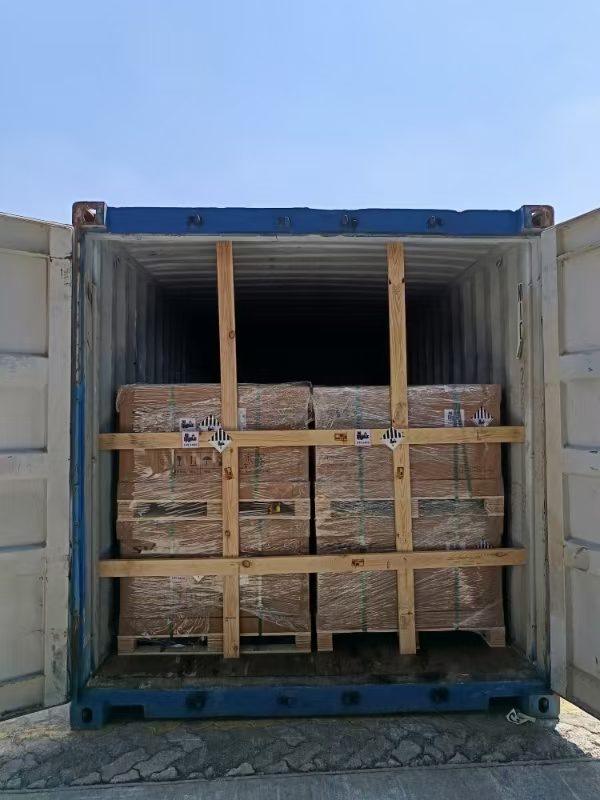
Packaging is checked against UN-certified requirements for the specific battery type, with DG labeling and marking verified before the cargo is accepted for stuffing.
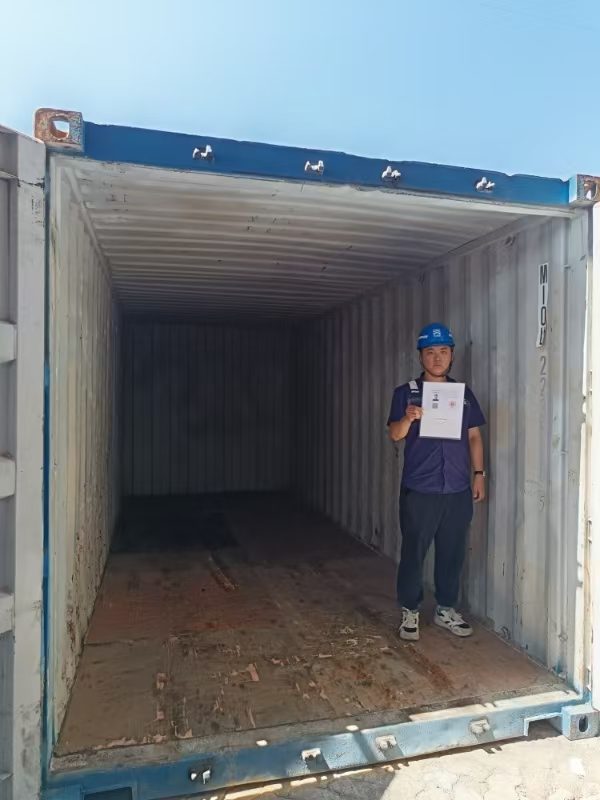
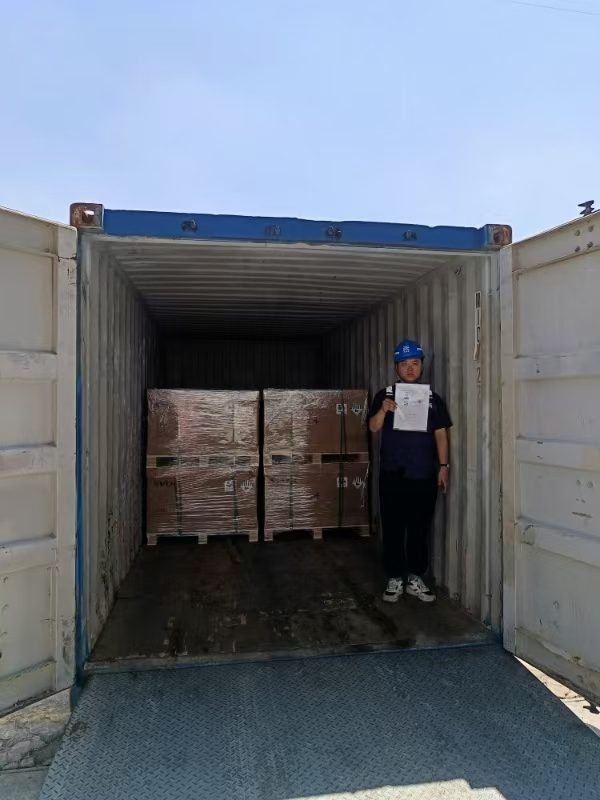
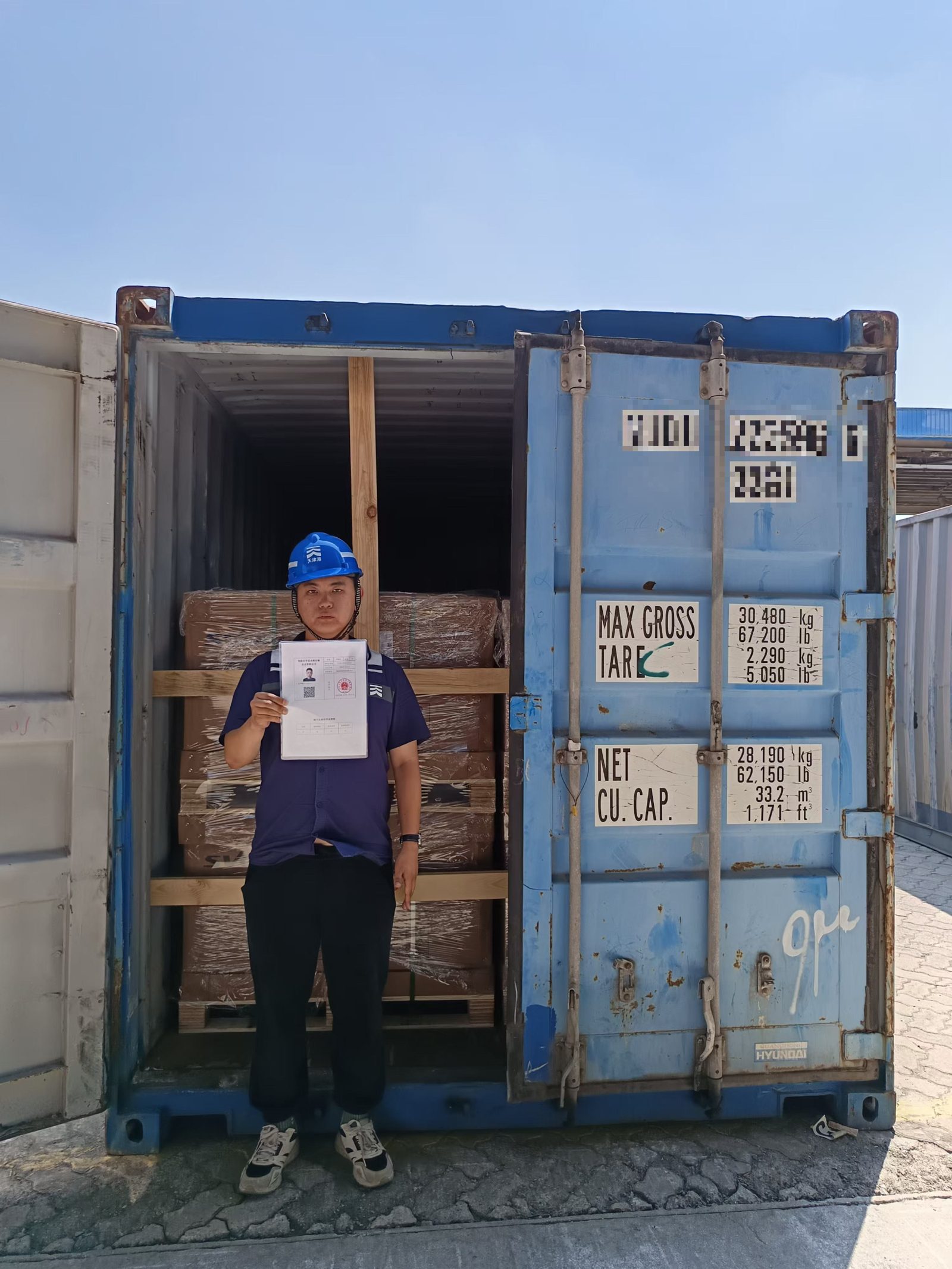
Cargo is stuffed under on-site supervision following DG handling protocol, with loading photos and documentation provided for buyer records.
We manage Class 9 export declaration and coordinate any inspection specific to battery or EV cargo, keeping the shipment on schedule for vessel cut-off.
Once loaded, we confirm the booking, share sailing updates, and manage any DG-specific exceptions that arise before departure.
FAQ
UN38.3 is the required safety test standard for lithium batteries in transport, covering conditions like altitude simulation, thermal testing, vibration, and short circuit. Carriers require a valid UN38.3 test summary before they will accept lithium battery cargo, so this needs to be confirmed with your supplier before booking.
Yes, though the classification and documentation differ from standalone cells or packs. We confirm the correct DG classification for your specific product — cells, packs, or batteries installed in or packed with equipment — before booking.
No. Acceptance varies by carrier, service, and route, and can change over time. We check current acceptance for your specific route at the time of booking rather than assuming based on a previous shipment.
The shipment cannot be booked or loaded without it — this is one of the most common causes of delay for battery cargo. We flag documentation gaps as early as possible so there's time to resolve them before the intended sailing.
LOADING RECORD
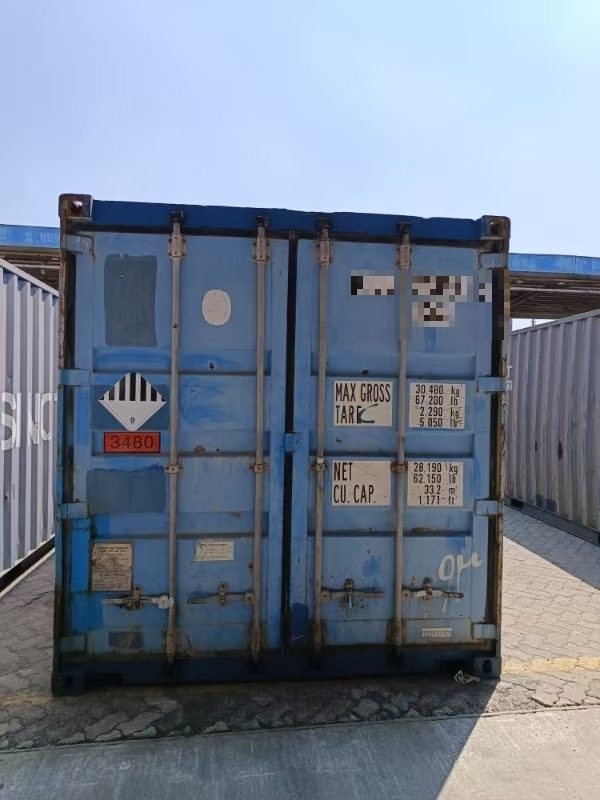
We do not disclose client names, contracts, rates, contacts or delivery receipts. Container and seal numbers are masked. Public cases only show cargo type, operational challenge and solution.
ROUTE COVERAGE
Netherlands, Germany, Belgium, France, UK, Greece
Philippines, Indonesia, Vietnam, Thailand, Malaysia, Singapore
UAE, Saudi Arabia, Qatar, India, Pakistan
South Africa, Kenya, Nigeria, USA, Brazil
REQUEST A QUOTE
To provide an accurate quote, please share product type (cells, packs, or installed batteries), UN38.3 status, weight and volume, POL/POD, destination, container type and quantity, cargo-ready date, and trade term.
General Manager
+86 13920804101 WhatsApp: +86 13920804101 James_jiang@marisix.net QQ: 285404048 Room B4103, International Trade Center, No. 39 Nanjing Road, Hexi District, Tianjin, China